Dawn Chorus Beside Polwheveral Creek

22 April  2007

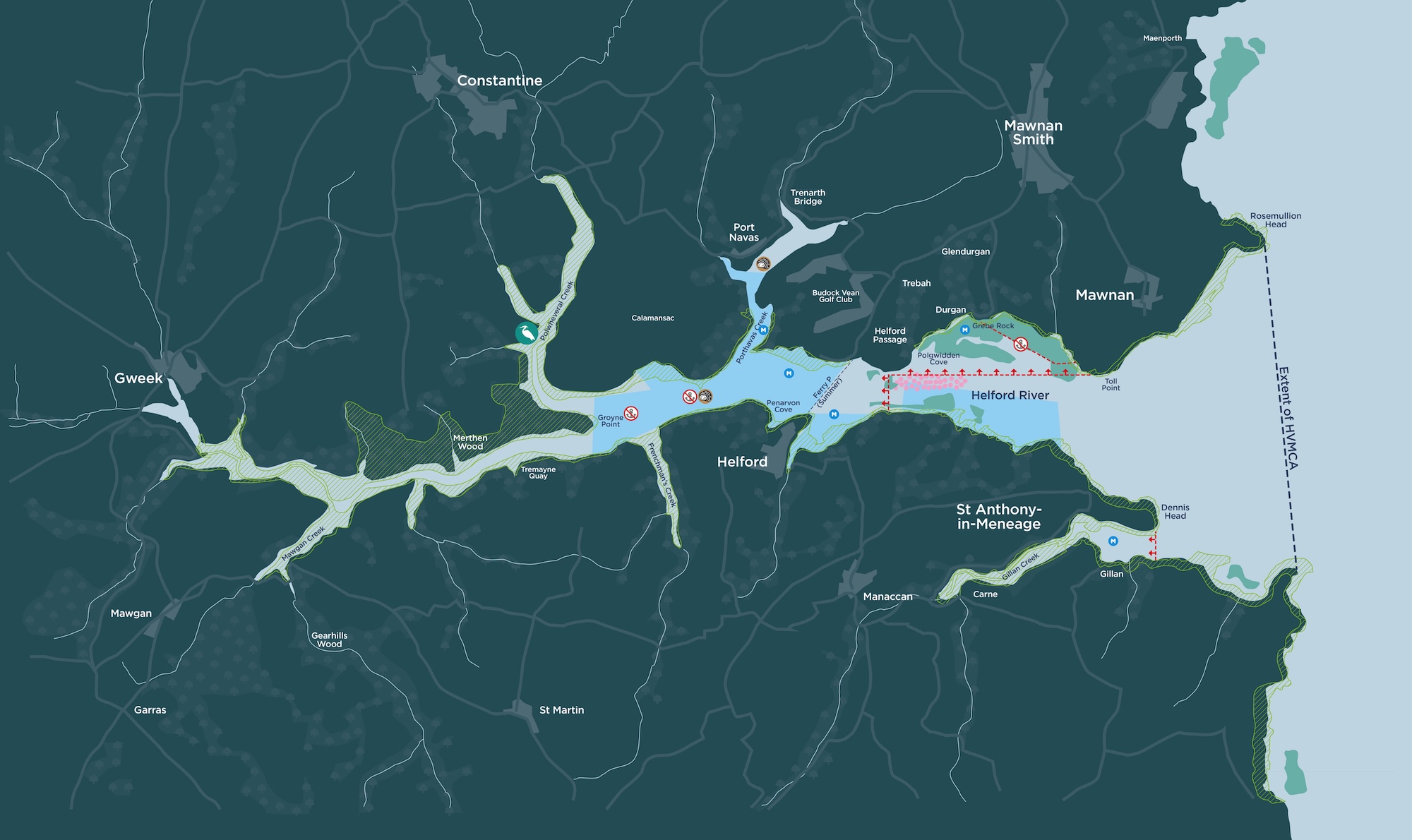
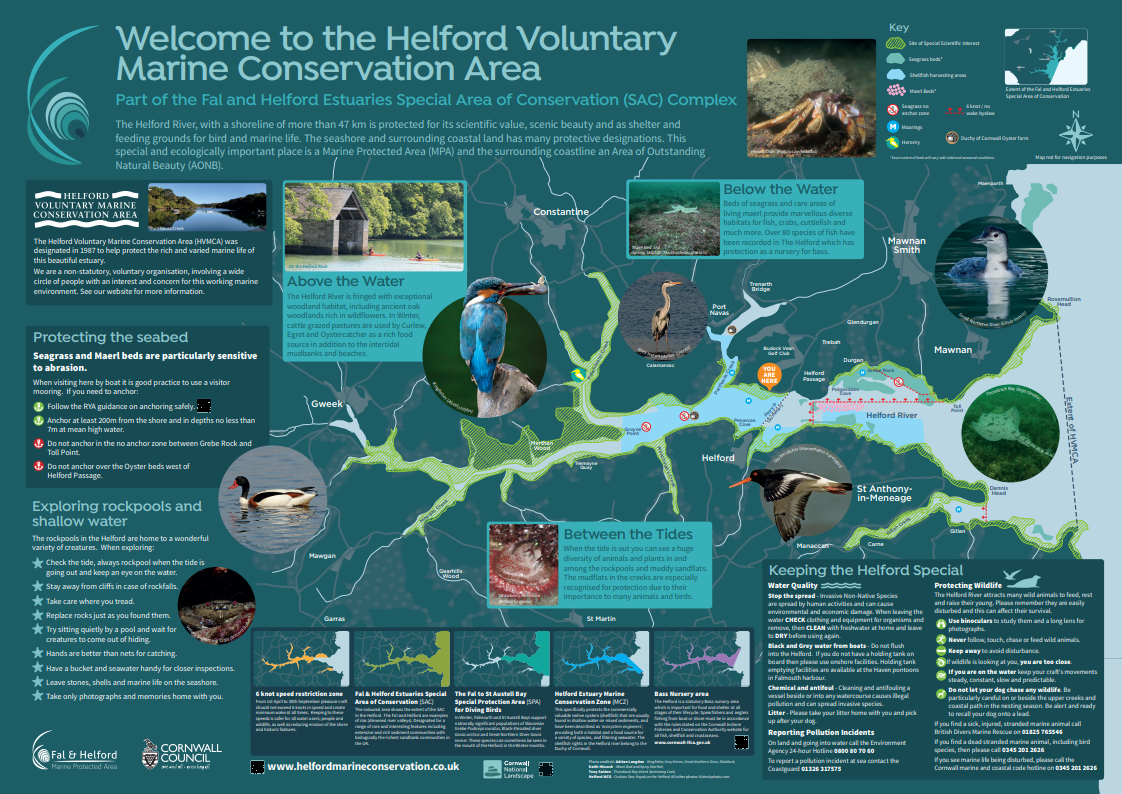
An early start did not deter an eager band of some 28 people armed with binoculars converging on Goongillings Farm where a delicate grey mist  swirled amongst the trees edging the creek. The expertise of Martin Rule, the group leader was much appreciated in recognising the songs of the unseen vocalists. Charles and Barbara Pugh rounded a very successful expedition with hot drinks and refreshments amid requests for an even earlier start next year!!
Similar Posts

  • Seashore Safari

    Saturday, 25th July 2009

    Clearly something interesting was about to happen as a group of nearly 30 people, adults and children, gathered on the beach at Helford Passage for a short introductory talk by Ruth Williams, Cornwall Wildlife Trust’s Marine Officer. Then, armed with an assortment of nets, buckets and trays, we set off, clambering over limpet- and barnacle-strewn rocks to the shallow pools left by the receding tide. The Seashore Safari had begun. Weather conditions were ideal – sunny and warm with a slight breeze. Intrigued holidaying families joined in; and by now the numbers had swelled to 40, of whom half were children.

  • Plankton on Parade

    Saturday, 13th November 2010

    The term ‘plankton’ comes from a Greek word meaning ‘wanderer’ or ‘made to wander’,an apt description for creatures which drift at the mercy of winds and currents. Some are large and easily seen – the Macroplankton, such as jellyfish and the Portuguese man-o’-war. Others are small – the Microplankton, which measure a millimetre or so across – or less – and are studied using a microscope. These are collected with a conical fine-mesh net swept or towed through the water and they include a great variety of plants and animals, in adult or larval stages. There is a third, even smaller, size category – the Nanoplankton, such as coccolithophores, which are just a few microns across and only seen with the aid of an electron microscope.

  • Coastal Ketches and Inside Barges (Andy Wyke)

    14 January 2012

    ‘A sewn boat? What’s that?’ ‘Well, it was a way of constructing boats in the Bronze Age, about 2500 BC, before nails had been invented. With the tools available at the time, bronze axes and adzes, logs would be split and fashioned into planks, to be stitched edge-to-edge with fibres from yew branches. Moss was used for caulking.’

    Our speaker, Andy Wyke, was well qualified to tell us. As Boat Collection Manager at the National Maritime Museum Cornwall, he has been one of the prime movers in a project which will use ancient tools to build a 60ft replica Bronze Age boat at the museum this summer (Apr – Sep), in an open workshop on view to the public.

  • Heron and Egret Survey

    Sunday, 18th April 2010

    What a pleasure to be in the open air, ambling gently along the Calamansack road with the blackthorn bushes in full flower and listening to bird song. The sun shone warmly from a cloudless blue sky and a goldfinch popped on to a nearby hedge to greet the 21-strong party with a cheerful tune. Chaffinch and blue tits added to the chorus, a couple of linnets flew over, twittering, and an unseen dunnock gave forth a beautiful melody. As if in contrast, a green woodpecker ‘yaffled’ in the distance. Turning off the road and across pastured fields we had an uncommon view along Polwheveral Creek, with white houses at its head and above them the village of Constantine, dominated by the church, whose bells were ringing out clearly across the valley.

  • Tales of a Wildlife Photographer (David Chapman)

    Saturday, 11th December 2010

    Is that a pin-tailed duck? No, it’s a long-tailed duck. Isn’t that a gannet? No, it’s a black-tailed godwit. We were trying to identify birds on David Chapman’s jumper, knitted by his mother who had produced separate jerseys for different talks. His outdoor gear depended on conditions, one photograph showing military-style camouflaged top and trousers, plus a back-pack to carry a tripod, camera and lenses and a chest-pack containing a portable hide. When erected, the last looked like a camouflaged igloo, just large enough to accommodate David and Adrian Langdon for several hours bird watching at the Walmsley Reserve. His account of that outing was returned by Adrian with the comment that the phrase “the mud came nearly to the top of our wellies” had a typographical error in the final word!