HMCG Dawn Chorus beside the Helford River

Sunday 20th April 2008

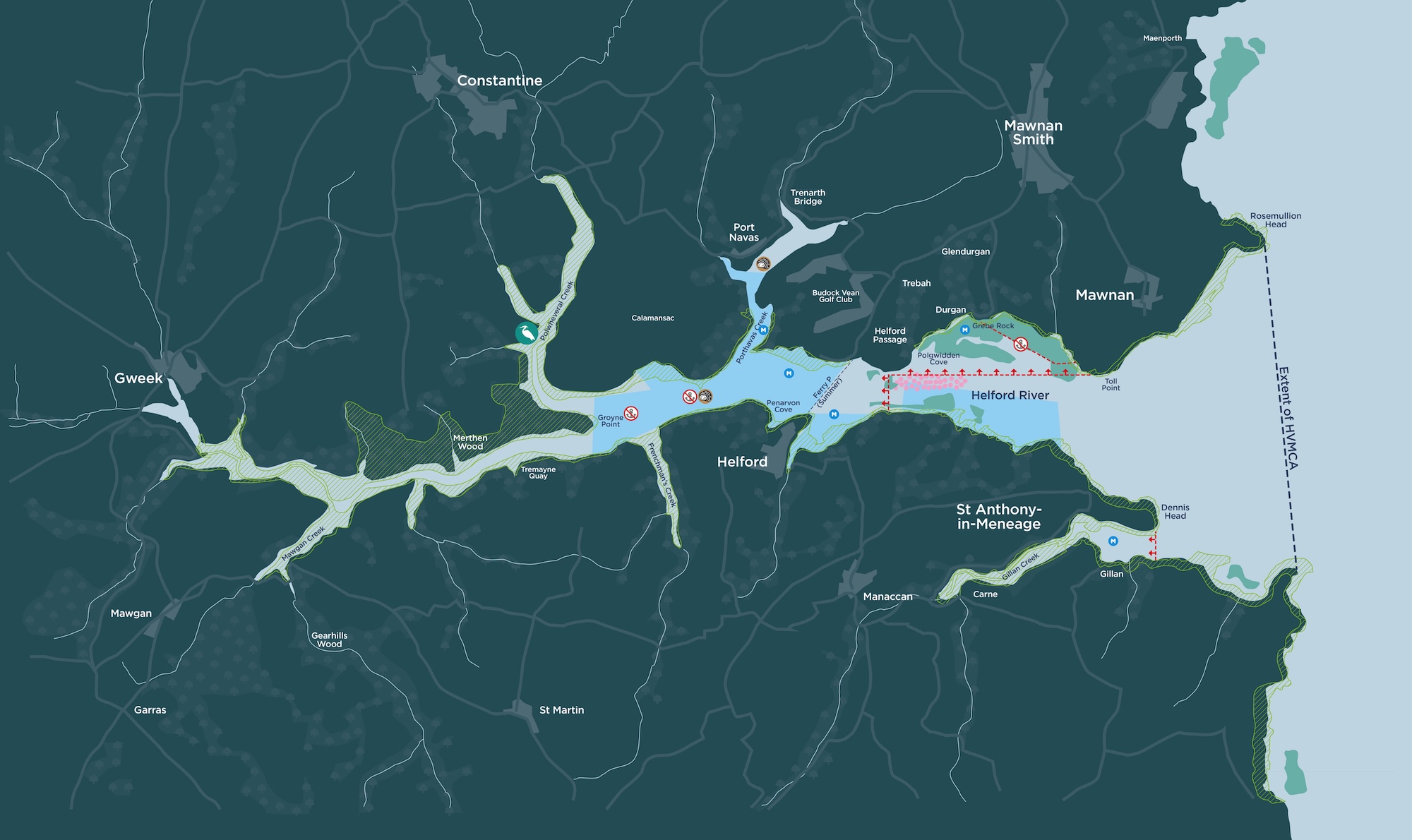
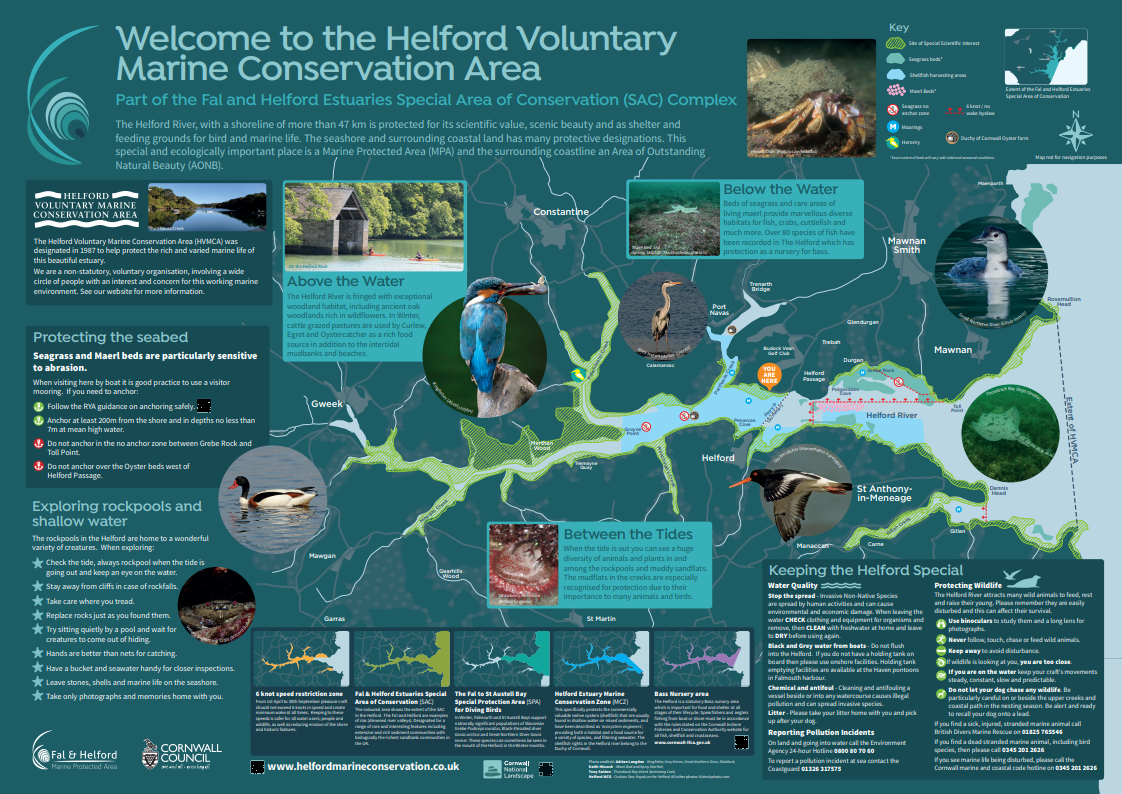
At 6am, in the half light of a slightly misty hut dry morning. 15 persons converged on Goongillings Farm near Constantine to ioin Martin Rule and listen to the dawn chorus. Some of the birds were already in full voice. A wren interrupted its song to tick annoyance at the group and a chaffinch, likewise, gave vent to “spink-spink”. A wood pigeon cooed in the distance, more melodious than the pheasant’s harsh welcome to the new day. We walked slowly along the track and over the fields leading to Scott’s Quay, pausing at intervals for Martin to identify the sounds coming from the hedges and distant woods. At the barn, half-way. where Charlie Pugh the owner of the land told us that a barn owl was occasionally seen, the only occupant was a feral black cat which had just caught a baby rabbit. We turned down through Scott’s Wood and along the edge of Polwheveral Creek, accompanied by the sound of a greater spotted woodpecker drumming noisily on a tree but keeping tantalisingly out of sight. Two mute swans whooshed by on the wing and a chiff-chafi sang loudly from the Calamansack side. Unfortunately, with the tide at high. shoreline birds were not to be seen or heard, but two ravens performed acrobatics above us, croaking the while, and a dunnock sang from the hedge. Martin also identified great tit, goldcrest, blackcap and egret. Oddly, there was no blackbird, but in compensation a song thrush gave a serenade as we enjoyed coffee, buns and strawberry jam kindly provided by Barbara Pugh at the end of the excursion. Sincere thanks are due to Martin. Charlie and Barbara for making this such a pleasant and rewarding trip.

Similar Posts

  • Bats know best!

    Sunday, 6th September 2009

    Over 30 friends and members of the Helford MCG gathered at Mawgan Village Hall for an evening “bat talk and walk”. Dr Carol Williams, with her characteristic enthusiasm, delivered a 30 min. crash course in bat identification, life-cycle and habits before we ventured out into the gathering gloom assembling in the woodland car park on the Trelowarren Estate. Bat detectors swung into action immediately and to our delight we heard several pipistrelle bats as they hunted for insects overhead using their stuttering echo-location calls.

  • Heron and Egret Survey

    Sunday, 18th April 2010

    What a pleasure to be in the open air, ambling gently along the Calamansack road with the blackthorn bushes in full flower and listening to bird song. The sun shone warmly from a cloudless blue sky and a goldfinch popped on to a nearby hedge to greet the 21-strong party with a cheerful tune. Chaffinch and blue tits added to the chorus, a couple of linnets flew over, twittering, and an unseen dunnock gave forth a beautiful melody. As if in contrast, a green woodpecker ‘yaffled’ in the distance. Turning off the road and across pastured fields we had an uncommon view along Polwheveral Creek, with white houses at its head and above them the village of Constantine, dominated by the church, whose bells were ringing out clearly across the valley.

  • Explore the Shore

    Sunday, 23rd August 2009

    “Dare you to put your finger in this bucket!”. Then came a yelp, and a rapid withdrawal of the hand. The Velvet Swimming Crab had instantly reared up, arms wide, claws open, its bright red eyes glistening. Only later, when it had subsided, did we see the flattened back legs, with hair-like fringes, that enable it to swim.

  • Coastal Ketches and Inside Barges (Andy Wyke)

    14 January 2012

    ‘A sewn boat? What’s that?’ ‘Well, it was a way of constructing boats in the Bronze Age, about 2500 BC, before nails had been invented. With the tools available at the time, bronze axes and adzes, logs would be split and fashioned into planks, to be stitched edge-to-edge with fibres from yew branches. Moss was used for caulking.’

    Our speaker, Andy Wyke, was well qualified to tell us. As Boat Collection Manager at the National Maritime Museum Cornwall, he has been one of the prime movers in a project which will use ancient tools to build a 60ft replica Bronze Age boat at the museum this summer (Apr – Sep), in an open workshop on view to the public.

  • The National Trust around the Helford

    Saturday, 16th October 2010

    Justin Whitehouse, National Trust Area Warden for the Lizard, first became associated with the National Trust as a volunteer shortly after graduating as a botanist and moving to Cornwall in 1994. His daily journey to work involved rowing across the river from Porth Navas to the office at Helford. Subsequently came five years work at Trelissick and then a return permanently to the Lizard, back to the woodlands and creeks that he preferred.

  • Wildflower Wanderings

    6 May 2007
    Two weeks later Goongillings Farm was again the venue for an HVMCA event but this time it was for an afternoon look at the flowers and other vegetation. A relaxed stroll for the 21 participants with Keith Spurgin and other botanists highlighted the amazing variety of plants appearing on an organic farm under countryside stewardship management. Habitats included woodland with trickling stream, herb-rich meadows with a lake and the upper shore slopes of the saltwater creek. Once again the hospitality offered by Charles and Barbara was greatly appreciated.