Strandline Search and Marine Mosaics

16 June  2007

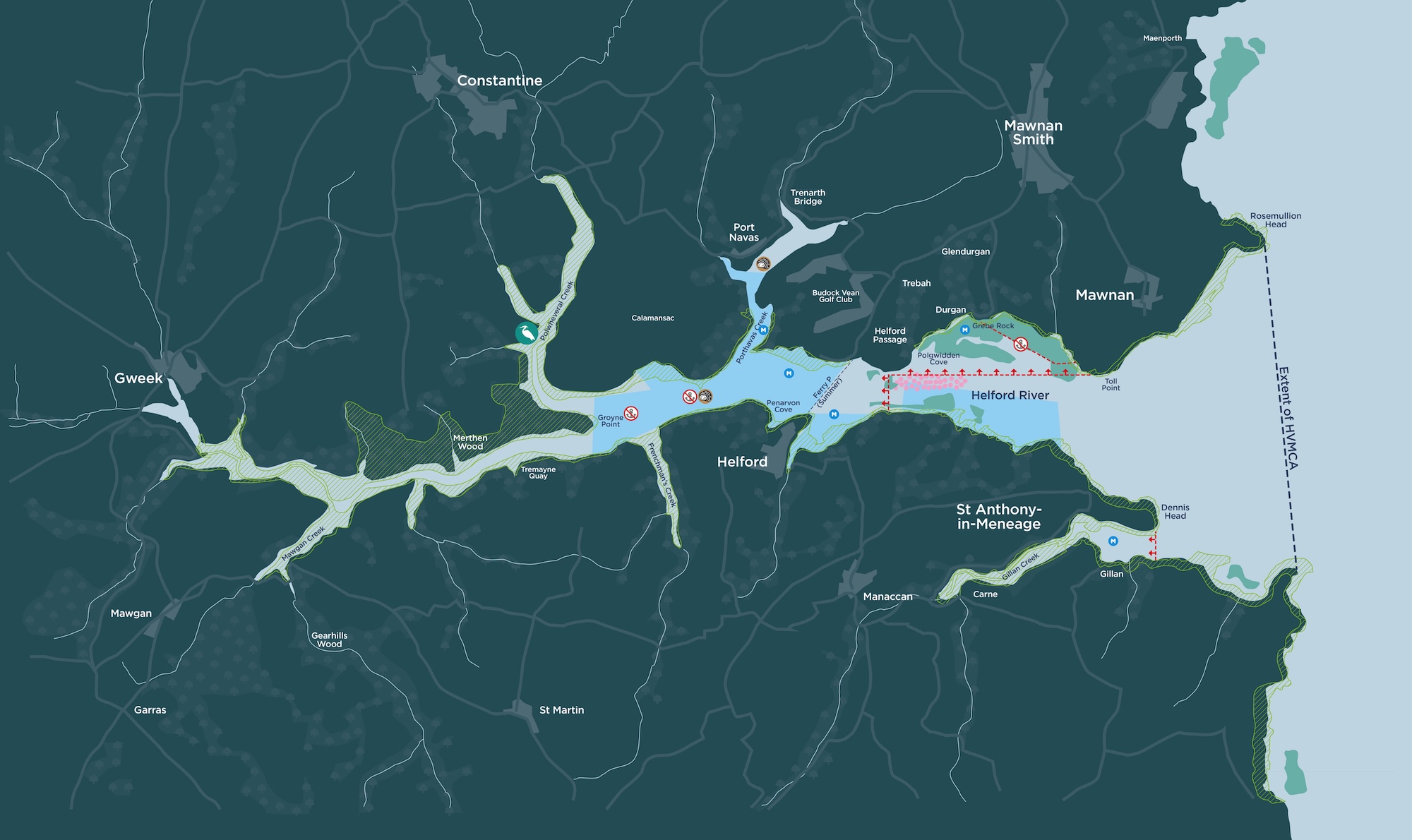
By the middle of June we had expected a return of the earlier spring sunshine but it was not to be and some beefy showers proved off-putting for this Saturday event at Durgan. A handful of adult HMCG members joined Margaret on the shore but the younger generation were less robust and missed a very pleasant morning on the shore.
Similar Posts

  • Heron and Egret Survey

    Sunday, 18th April 2010

    What a pleasure to be in the open air, ambling gently along the Calamansack road with the blackthorn bushes in full flower and listening to bird song. The sun shone warmly from a cloudless blue sky and a goldfinch popped on to a nearby hedge to greet the 21-strong party with a cheerful tune. Chaffinch and blue tits added to the chorus, a couple of linnets flew over, twittering, and an unseen dunnock gave forth a beautiful melody. As if in contrast, a green woodpecker ‘yaffled’ in the distance. Turning off the road and across pastured fields we had an uncommon view along Polwheveral Creek, with white houses at its head and above them the village of Constantine, dominated by the church, whose bells were ringing out clearly across the valley.

  • Plankton on Parade

    Saturday, 13th November 2010

    The term ‘plankton’ comes from a Greek word meaning ‘wanderer’ or ‘made to wander’,an apt description for creatures which drift at the mercy of winds and currents. Some are large and easily seen – the Macroplankton, such as jellyfish and the Portuguese man-o’-war. Others are small – the Microplankton, which measure a millimetre or so across – or less – and are studied using a microscope. These are collected with a conical fine-mesh net swept or towed through the water and they include a great variety of plants and animals, in adult or larval stages. There is a third, even smaller, size category – the Nanoplankton, such as coccolithophores, which are just a few microns across and only seen with the aid of an electron microscope.

  • Cornish Dolphins – an update (Dr Nick Tregenza)

    Saturday, 23rd January 2010

    In his talk to an appreciative audience of 57, Dr Tregenza began with the largest cetaceans, the whales, showing photographs of stranded animals, alive and dead, and mid-water sightings. It was a surprise to hear of the great variety of whales which have been recorded in Cornish waters, for example a Baleen whale at Sennen, Fin whales around the Lizard and Lands End and Sei whale in Carrick Roads.

  • Helford Conservation Cruise

    Sunday, 11th July 2010

    Once again, the weather was kind, producing a warm, dry and wind-free day. With 95 passengers on board, plus tanks containing a variety of live fish, crabs and other creatures, the Enterprise boat headed to the mouth of the estuary and around into Gillan Creek, in sight of St Anthony church. The National Trust owns two small properties on the south bank, one containing Bronze Age barrows and an Iron Age cliff castle. Looking seaward there was a clear view of Nare Point and its observation post, now occupied by Coastwatch, but, during WWII, part of a testing range for air-drop torpedoes.